
Have you revisited AI 2041 (Kai-Fu Lee & Chen Qiufan) lately? I recently found notes from when I first read it three years ago. I wonder how much has changed and come to pass already? But, certainly one line jumped out at me that I had forgotten: “Our already addictive world will become more so.”
Remember the 2020 documentary The Social Dilemma? It showed how AI-driven personalization can quietly shape what we see—and how the industry profits from our attention. (And if we own those stocks, like most of us do in our 401ks, we’re literally profiting against ourselves.)
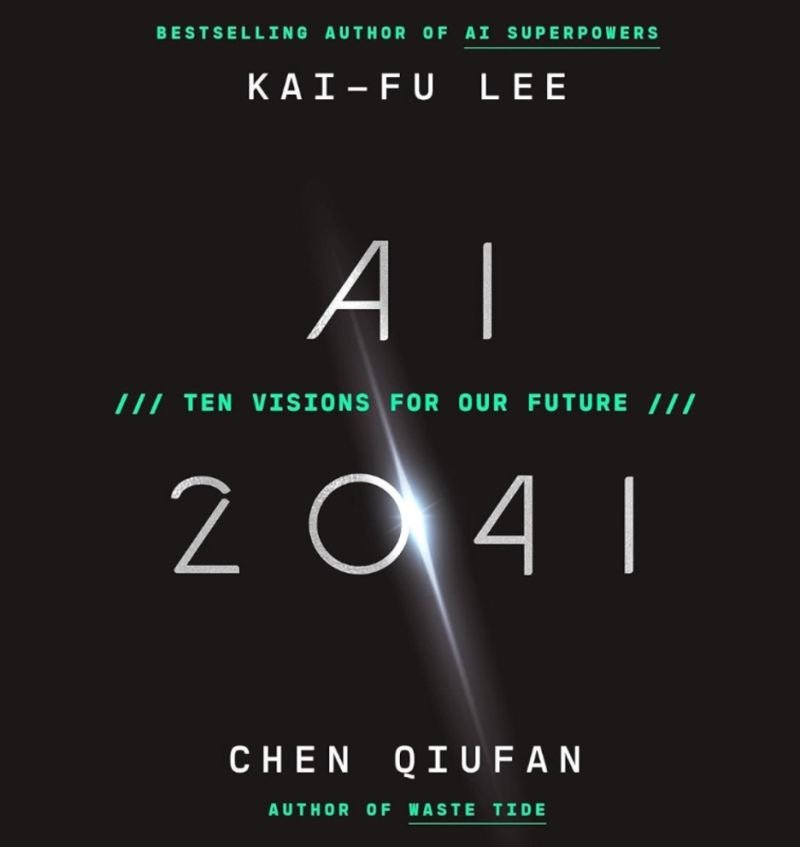
AI 2041 echoes that warning: “You didn’t know that your click activated billions of dollars of computing power pointed at your brain… tricking billions of humans into clicking again. This addiction is a vicious cycle for you—but a virtuous cycle for the internet giants, a money-printing machine that can narrow viewpoints, distort truth, and harm mental health.”
Fast-forward to today: Texas just passed a law restricting phone use during the school day. Other states and municipalities show a consistent pattern—at first, everyone hates it. But within a month or so, the culture shifts. Kids start talking. Teachers see fewer disruptions. Districts see improved test scores.
It’s exactly what we’d expect when people simply spend more time with each other, not their feeds.
AI isn’t just about futuristic robots; it’s about the subtle systems already shaping our choices and our moods. It’s no longer about if AI will influence us—it already does. The real question is how intentionally we, as leaders, will shape the way it shapes us.
Parents who guide their children’s understanding will develop more resilient, connected children. Leaders who guide AI’s role intentionally will build more resilient, innovative teams.
How will you start shaping a more human-centered future now?”